Let's talk about the numbing lube problem
You've bought a lemon vibrator. You've got lube. And then nothing happens. Or worse, something happens but you can barely feel it. The vibration feels distant, muffled, like you're experiencing it through a thick wall instead of directly on your nerve endings.
Here's what's happening: you're using a numbing lubricant, and it's doing exactly what it was designed to do. It's just not designed for pleasure.
Why numbing lubes exist (and what they actually do)
Numbing lubricants contain benzocaine, lidocaine, or similar topical anesthetics. They're formulated to reduce sensation around the vulva and clitoris. Originally, they were marketed for anal play, where the tissue is less elastic and some people genuinely need pain relief. But they've drifted into mainstream lube aisles, and now people use them thinking they're just "premium lube variants."
They're not. They're anesthetics.
When you apply a numbing lube, the anesthetic doesn't just calm down pain signals. It blocks all signals from reaching the nerve endings. Your clitoris has roughly 8,000 nerve endings, and they're designed to fire when stimulated. Numbing lube silences them.
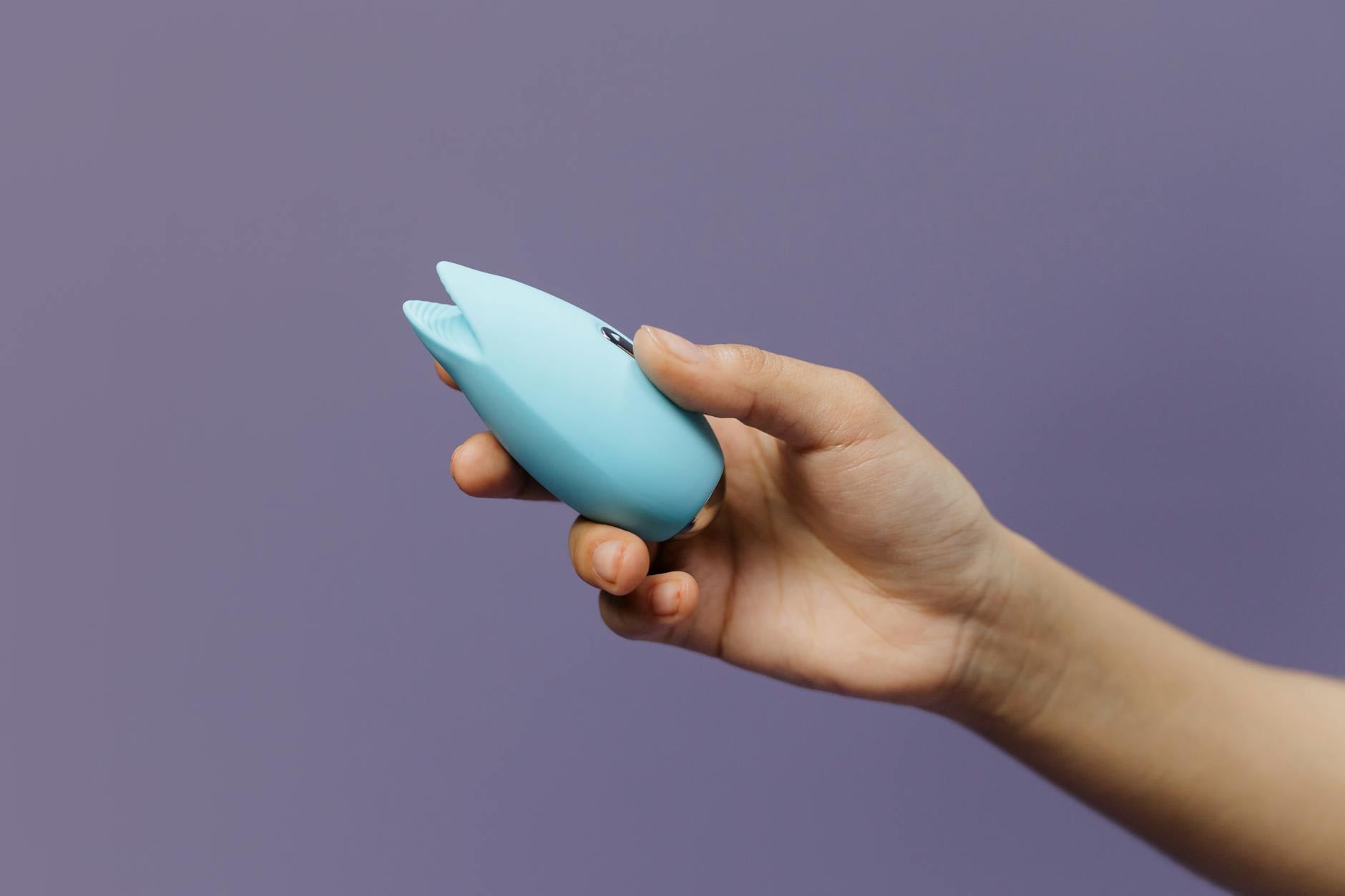
With a lemon vibrator, suction-based stimulation works by creating rhythmic pressure changes that activate those nerves. If those nerves are already partially blocked by anesthetic, the Lem's whole mechanism becomes less effective. You're trying to send a signal through a muted channel.
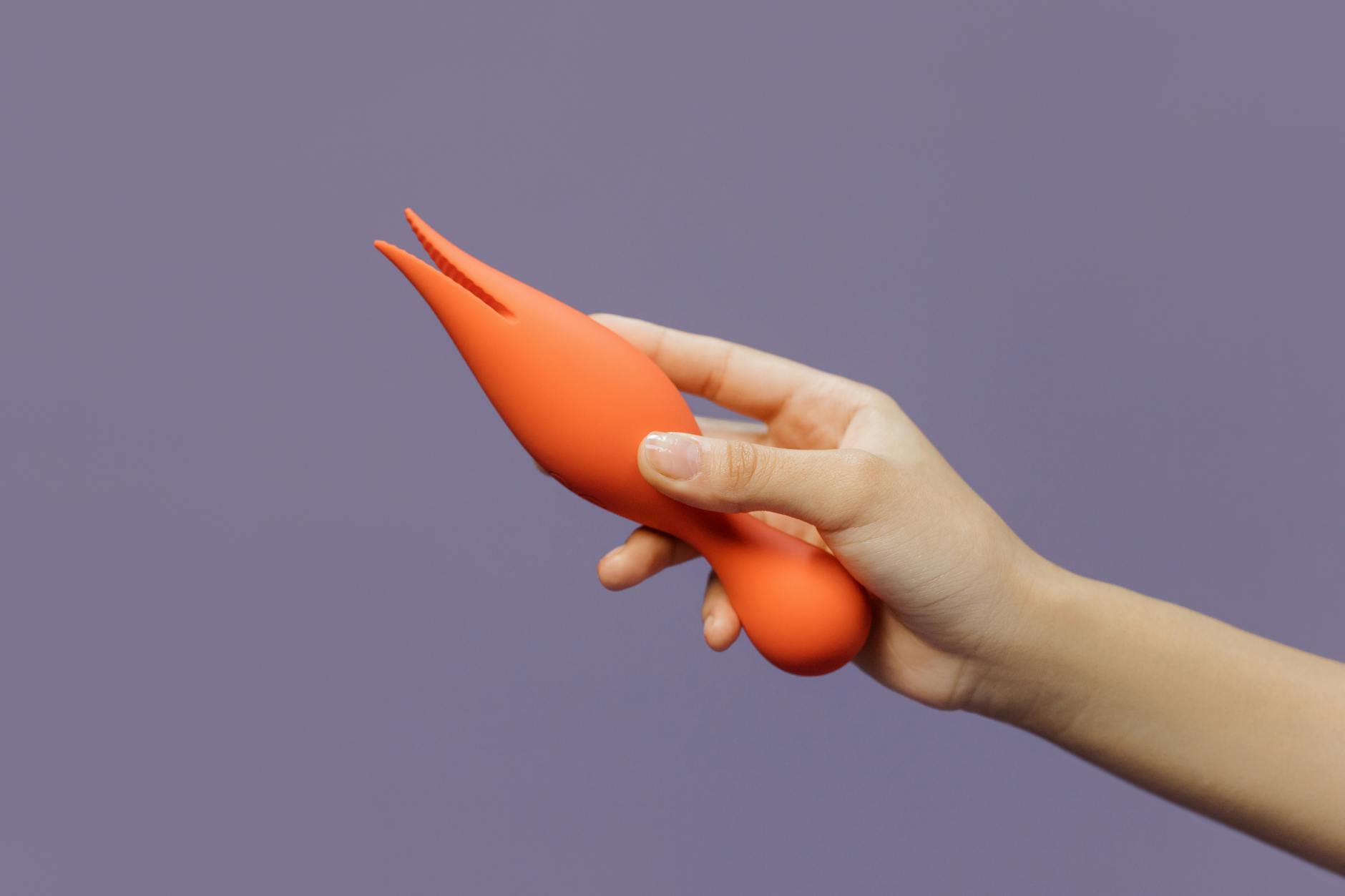
Photo by cottonbro studio on Pexels
The physiological mismatch with suction-based toys
This is specific to how lemon vibrators work. Traditional vibrators rely on rapid oscillation. That vibration is intense enough that some sensation often gets through even with numbing lube applied. It's brute force.
Lemon clitoral vibrators use suction and gentle pulsing. The mechanism is elegant precisely because it doesn't need to bludgeon your way to pleasure. It works with your nerve sensitivity, not against it. Suction mimics the way the body naturally builds arousal through increased pressure and circulation.
But suction is only as effective as the nerves that receive the signal. Numb the nerves, and the lem vibrator loses its precision. You'll feel pressure, maybe, but not the intricate sensation that makes a lemon vibrator different from other clitoral toys.
So if you've been using a lem vibrator with numbing lube and thinking "this thing is overhyped," the lube is almost certainly the culprit, not the toy.
When numbing lube actually makes sense
Let's be clear: numbing lubricants aren't bad. They're just misapplied in most pleasure contexts.
Numbing lube genuinely helps when you have:
Pain during penetration. Vaginismus, vulvodynia, or post-surgical sensitivity means your nervous system is in protection mode. Anesthetics can create a window where penetration becomes possible without pain signals hijacking the experience. Once you've had penetration without pain a few times, your nervous system can start to recalibrate.
Anal play discomfort. The anal tissue is less elastic and more easily irritated than vaginal tissue. For some people, numbing lube makes anal exploration accessible when it otherwise wouldn't be.
Recovery from procedure. After a minor surgical procedure on the vulva or perineum, numbing lube can help you resume sexual activity without pain.
But pleasure? That's the opposite use case. Pleasure depends on sensation. Numbing lube trades sensation for comfort, and with a lemon clitoral vibrator, you're paying a very high price for that trade.
How to restore full sensation
If you've been using numbing lube with your lem vibrator, here's how to get your sensitivity back.
Step one: switch lubricants immediately. Water-based, silicone-based, or hybrid lubes all transmit sensation far better than numbing formulas. The most common brands (Sliquid, Aloe Cadabra, Uberlube) are all sensation-friendly. You don't need expensive lube. You need lube without anesthetic in it.
Sensation usually returns within a few minutes of stopping the numbing product. Your nerve endings didn't die. They're just temporarily blocked. Wash off the numbing lube, apply a regular lube, and try your lem vibrator again. The difference is often shocking.
Step two: give yourself 5-10 minutes of arousal before using your vibrator. Numbing lube users often skip foreplay because pain made foreplay unappealing. Now that you're switching away from numbing, your body needs a genuine warm-up. Kissing, touching, fantasy, reading erotica, whatever gets blood flowing to your genitals. That increased blood flow is what makes the lem vibrator's suction mechanism feel most effective.
Step three: start at lower patterns. If you've been using high-intensity settings to compensate for numbed sensation, dial it back. With full sensation restored, pattern 1 or 2 on the Lem will probably feel stronger than you remember. You can always turn it up, but recalibrating to your actual sensitivity is worth the time investment.
What if you actually need numbing lube AND want pleasure
This is the tricky one. Some people have genuine pain that requires anesthetics but also want orgasm. You're not broken. This is a real constraint.
Your best options:
1. Use numbing lube strategically. Apply it only to the areas where you have pain. If it's mainly penetrative pain, numbing the vaginal opening and internal walls doesn't necessarily numb your clitoris. You can use numbing lube for penetration and a regular lube on your clitoris for vibrator use. Wash your hands between.
2. Try topical estrogen cream first. If your pain is from vulvovaginal atrophy (thinning tissue from low estrogen), a prescription estrogen cream can often resolve the pain completely without anesthetics. This takes 2-4 weeks, but it addresses the root cause instead of masking symptoms. Talk to your doctor about this before defaulting to numbing lube.
3. Consider pelvic floor physical therapy. If your pain is from tension or dysfunction, a pelvic floor PT can retrain your muscles to relax. Again, this is addressing the cause, not the symptom. It takes time, but it's often more effective long-term than numbing.
4. Use your lem vibrator during pain-free windows. If your pain is cyclical (certain times of your cycle, certain times of day), use your lemon vibrator then. Save numbing lube for periods when you need pain management rather than pleasure.
Why sensation matters more than you think
Numbing lube deadens not just pain but also the sensory feedback that triggers arousal. Your body recognizes gentle, increasing pressure on your clitoris as a signal that arousal is building. That signal activates your sympathetic nervous system, which increases heart rate and blood flow, which deepens arousal further.
It's a feedback loop. Numb the sensation, and you break the loop.
This is why people on numbing lube often report that orgasm feels distant or doesn't happen at all. They're not broken. They're literally disconnected from the signals that build to orgasm.
The lem vibrator is designed to work with this feedback loop, not against it. The suction creates a subtle pressure that mimics what arousal feels like naturally. But that only works if you can feel it.
Switching away from numbing lube isn't just about intensity. It's about reconnecting to your body's own arousal process.

Photo by cottonbro studio on Pexels
The weird middle ground: when sensitivity takes time to come back
If you've been using numbing lube for a long time, your body might need a few days to fully recalibrate. Some nerve endings take longer to "wake up" than others. This is normal.
You might notice in the first few days that sensitivity feels patchy. Some areas feel more responsive than others. That's not permanent. Within a week, most people report that full sensation returns and stabilizes.
If sensitivity hasn't returned after two weeks, talk to a doctor. There could be another issue (hormonal, circulatory, neurological) worth investigating. But in the vast majority of cases, ditching the numbing lube restores sensation quickly.
Moving forward without numbing products
If pain is your original problem, address it directly. Whether that's pelvic floor PT, topical estrogen, hormone therapy, or partnered communication about what actually hurts, tackling the root issue is better than masking it with anesthetic lube.
If you're pain-free now and just using numbing lube out of habit, switch. Your lem vibrator is waiting for you with full sensitivity, and the sensation you get is genuinely worth it.
Sensation is not a luxury. It's the whole point. Your clitoris has 8,000 nerve endings for a reason. Use them.
People also ask
Can you use numbing lube with any vibrator?
Yes, but it's most noticeable with sensation-based toys like the lem vibrator. Traditional vibrators sometimes feel okay with numbing lube because they're using sheer vibration intensity to push through the sensory block. Suction-based toys lose effectiveness immediately because suction depends on your body's ability to feel subtle pressure changes.
How long does it take for numbing lube to wear off?
Most topical anesthetics work within 5-15 minutes and last 30 minutes to an hour, depending on the concentration and the product. Sensation usually returns within 15-30 minutes of stopping use. Your nerve endings aren't damaged; they're just temporarily blocked.
Is numbing lube safe to use regularly?
Ocasionally, yes. Regularly, it's not ideal. Repeated use can lead to contact dermatitis or irritation from the anesthetic itself. If you're using it multiple times a week, you probably have an underlying pain issue that deserves actual treatment (PT, topical estrogen, hormone adjustment) rather than ongoing numbing.
What's the best lube to use with a lemon vibrator?
Water-based lubes are the safest bet. They're body-safe, easy to clean up, and work well with all toy materials. For sensation, any water-based lube without anesthetics works equally well. Popular brands include Sliquid, Aloe Cadabra, and Yes. Silicone-based lubes feel richer and last longer, but avoid them if your lem vibrator has any silicone components (check the product specs).
Can numbing lube cause long-term nerve damage?
No. Topical anesthetics like benzocaine and lidocaine work by temporarily blocking nerve signals. They don't damage the nerves themselves. Once you stop using the product, sensation returns completely. There's no permanent desensitization.
What if I need pain relief AND want to use my lemon vibrator?
Use numbing lube strategically on the areas where you have pain, then wash it off and apply regular lube to your clitoris before using your vibrator. Or explore whether your pain can be addressed with pelvic floor PT or topical estrogen, which doesn't numb sensation the way anesthetic lubes do. You deserve both pain relief and pleasure, but the solution might not be numbing lube for everything.
If you've noticed your lemon vibrator feels less effective than expected and you're using numbing lube, that's almost certainly your answer. Switch lubes, give your body a few days to recalibrate, and try again. The sensation you're missing is worth getting back. And if you're dealing with pain that made you reach for numbing lube in the first place, reach out for support. There are better solutions out there.