Why Lemon Vibrators Feel Different When Rebuilding Intimacy After Infidelity
Betrayal rewires your nervous system. Here's what happens to pleasure in your body, why clitoral vibrators can feel strange at first, and how to rebuild sensation alongside trust.
Infidelity isn't just an emotional wound. It's a nervous system injury. Your body stops trusting the signal that you're safe, that intimacy is safe, that pleasure is possible in that space. When you try to experience pleasure after betrayal, especially with the person who caused it, you might feel numb, disconnected, or even physically unable to respond. This isn't weakness. It's your body doing exactly what it's supposed to do: protecting you.
One of the most confusing parts of rebuilding intimacy after infidelity is that your desire doesn't just vanish. Instead, it gets tangled up with hypervigilance. You might find yourself analyzing your partner's movements, questioning their attention, or feeling aroused one moment and then gripped by anxiety the next. This emotional whiplash affects everything downstream, including how your clitoris and pelvic floor respond to stimulation. Lemon vibrators and other clitoral vibrators feel different after betrayal because they're working against a nervous system that's in a state of protective shutdown.
When infidelity happens, your brain gets flooded with cortisol and adrenaline. Over weeks and months, if you're trying to stay in the relationship and rebuild it, those stress hormones remain slightly elevated. Your parasympathetic nervous system, which governs sexual response, gets crowded out by the sympathetic system, which governs fight-or-flight. This means that even when your mind intellectually knows it's safe to be intimate, your body hasn't caught up yet.
I see this constantly in my practice. Couples tell me: "We're trying. We're going to therapy. But when we're intimate, I feel like a ghost." That ghostlike feeling is real neurobiology. The vagus nerve, which controls relaxation and pleasure pathways, gets dampened by ongoing vigilance. Your breathing becomes shallow. Your pelvic floor stays partially braced. Your clitoris doesn't swell the way it used to.
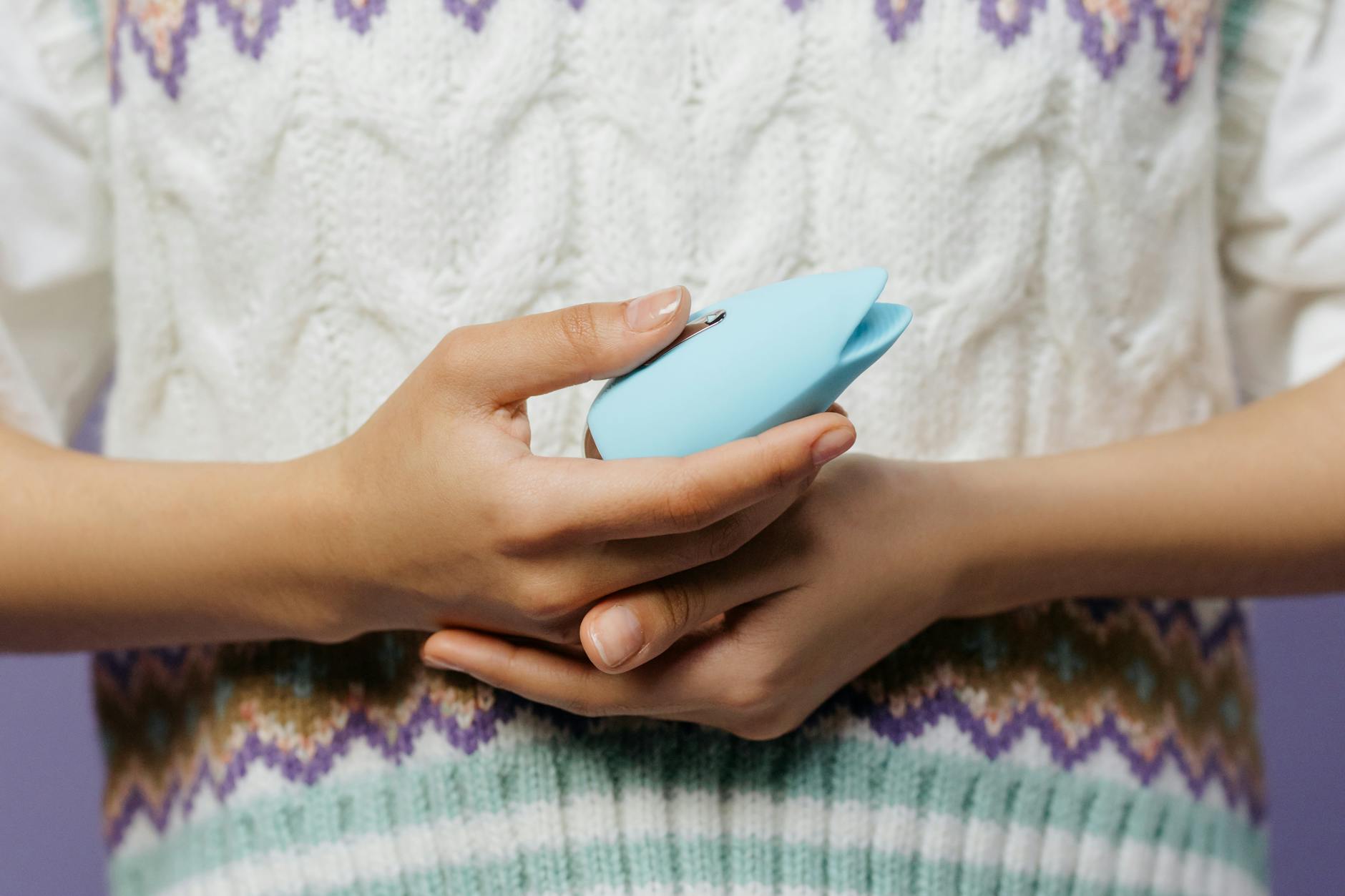
Clitoral vibrators like The Lem Massager can actually help interrupt this cycle, but only if you understand why they feel different first. A suction-based lemon vibrator, for instance, works differently than a traditional vibrator because it doesn't rely on friction. It uses gentle air-pulse stimulation, which can feel less invasive to a nervous system that's still learning to trust touch again. The sensation is present and clear, but not aggressive.
After infidelity, I notice three particular nervous system patterns that change how pleasure feels:
Pattern one: The anticipatory freeze. Your body tenses before anything even happens because it's predicting pain. When you touch yourself or when your partner touches you, there's a microsecond where your muscles brace for betrayal. This makes it harder to relax into sensation. Lemon vibrators can help here because the stimulation is external and self-directed, meaning you're in control of the speed, intensity, and moment-to-moment experience. That control is what your nervous system needs.
Pattern two: The pleasure panic. Some people find that the moment they start to feel aroused after infidelity, anxiety spikes. Pleasure activates the vulnerable state of arousal, which feels too risky. Your nervous system essentially hijacks the experience. You might notice your mind racing, your attention pulled away from sensation, your breath quickening in a way that's anxiety-driven rather than arousal-driven. Lemon clitoral vibrators with multiple intensities allow you to stay in a narrow band of stimulation where you can practice feeling pleasure without crossing into the vulnerability threshold that triggers panic.
Pattern three: The dissociation split. Sometimes your mind detaches from your body entirely during sex. You can be physically present and your body can respond, but you're observing from a distance. This is dissociation, and it's a protective mechanism. The brain is saying: "I'm not safe enough to be fully here, so I'll step back." Suction-based clitoral vibrators can actually help ground you back into sensation because the stimulation is novel and precise enough to interrupt the dissociative loop. Your brain gets interested. Your focus comes back to the present.
Here's something that surprises a lot of couples: using a clitoral vibrator alone, before you're ready to use one with your partner, is actually therapeutic work. It's not procrastination or avoidance. It's nervous system recalibration.
When you use a lemon vibrator on your own, you're teaching your body three things simultaneously. First, that you can feel pleasure safely in the space where the betrayal happened. Your bedroom, your body, that specific nervous system pathway. You're creating a new memory trace. Second, you're learning what your arousal actually feels like now, post-betrayal. It might be slower to build. It might require more stimulation. That's not damage. That's just your current reality, and getting curious about it rather than fighting it helps. Third, you're reclaiming authority over your own pleasure. After infidelity, there's often an unconscious belief that your pleasure isn't yours anymore. Solo play with a clitoral vibrator like The Lem Massager is a direct counterargument to that belief.
I typically recommend that someone spends 4-8 weeks exploring solo pleasure before attempting partnered intimacy again. Use your lemon vibrator. Notice what patterns emerge. Notice whether you're more responsive at certain times of day, in certain positions, with certain patterns of stimulation. Build a relationship with sensation that's independent of your partner's presence.
When you're ready to bring a partner back into the equation, clitoral vibrators become a powerful communication device. A lemon vibrator can help because it creates something to focus on together that isn't the fraught weight of "are we going to have penetrative sex" or "are you going to betray me again." Instead, you have a neutral third object. It sounds absurd, but it works.
I suggest starting with your partner present but not involved. You use your clitoral vibrator while they're in the room. They might read, they might be nearby on the bed, but they're observing, not directing. This lets them see you in pleasure without the pressure to perform or produce results. For the partner being observed, this is an act of vulnerability and trust-building in reverse. They're showing that they can be in the room with your pleasure without needing to control it or be the source of it.
After several sessions of that, you might invite them to participate. They might hold The Lem Massager while you guide their hand. This gives you control over speed and pressure while re-establishing physical touch that's explicitly about your pleasure, not about reconciliation or proof. Notice that distinction. This isn't makeup sex. This is pleasure-focused intimacy, and it's a different neurobiological state entirely.
Clitoral vibrators and solo play are useful tools for nervous system repair, but they're not substitutes for the real work. If you're rebuilding intimacy after infidelity and neither of you has done trauma-informed couples therapy, that needs to be the foundation. A clitoral vibrator can help your body feel pleasure again, but it can't rebuild trust on its own.
If, after several months of solo exploration with a lemon vibrator, you're still feeling completely numb or dissociated, or if the anxiety spikes haven't diminished, talk to a therapist who specializes in betrayal trauma and sexual response. Sometimes the nervous system needs more targeted help than pleasure tools alone can provide.
I also want to name something for partners who are trying to rebuild after causing infidelity. Your job is not to make your partner orgasm using a clitoral vibrator. Your job is to be present without needing anything from them. To hold the boundary that their pleasure matters. To not turn this into an opportunity to prove something or convince them you're changed. The most healing thing you can do is step back and let your partner rebuild their relationship with their own body first. The partnered intimacy comes after that foundation is solid.
Rebulding arousal after infidelity typically takes longer than people expect. If you're using a lemon vibrator, give yourself at least 3-4 months of solo exploration before you're ready to integrate partnered play. Some people need longer. That's not a sign of failure. It's a sign that your nervous system is being thoughtful about what it lets in.
You might notice that your orgasms feel different for a while. Shallower. More focused in one spot rather than full-body. Less intense. These changes are temporary. As your nervous system recalibrates and trust slowly rebuilds, sensation typically expands again. But in the meantime, clitoral vibrators like The Lem Massager help you stay connected to pleasure even when the nervous system is being protective. That connection is the bridge. That's how you get from here to restored intimacy.
Numbness is a protective response. Your nervous system is essentially saying "I'm not convinced it's safe yet." After betrayal, the parasympathetic nervous system, which governs arousal, gets suppressed by the sympathetic system, which governs threat detection. Your body is doing its job. It's not a sign that you're broken or that the relationship is over. It's a signal that healing needs to happen slowly, and that your body needs explicit reassurance before pleasure can return.
Clitoral vibrators, especially suction-based lemon vibrators, provide precise, novel stimulation that interrupts dissociation loops. Dissociation happens when your brain steps away from your body to protect it from pain. A vibrator's consistent, interesting sensation gives your brain something to focus on. It essentially says: "Hey, check this out. This is happening in your body right now." That redirects attention from past hurt back to present sensation, which is part of nervous system repair.
Not directly, but it creates the foundation. Solo play helps you rebuild trust with your own body and your own capacity for pleasure. When you've reestablished that internal sense of safety, you have more nervous system bandwidth available for rebuilding trust with your partner. It's not a substitute for couples therapy or direct conversations about what happened, but it's an important piece of the puzzle.
Wait. Give yourself several months of solo exploration first. When you do introduce it into partnered sex, start with you using it while your partner observes, rather than them using it on you. This preserves your control and autonomy, which are the nervous system signals you need most right now. Once that feels genuinely comfortable, you can move toward shared use.
Completely normal. Your nervous system is still recalibrating. Orgasms require a particular state of parasympathetic relaxation and trust. After betrayal, that relaxation is shallow and tentative. You might feel orgasms more in one location than full-body. They might be shorter. This is temporary. As your nervous system continues to integrate the betrayal and trust rebuilds, sensation typically expands again. Lemon vibrators can help you practice staying present during this transition.
There's no standard timeline, but based on my clinical experience with couples rebuilding after infidelity, expect 6-12 months of conscious, intentional work before partnered intimacy feels genuinely connected again. Some people move faster. Some take longer. The key is not rushing the process. Your nervous system will signal when it's ready. Solo exploration with a clitoral vibrator helps you stay connected to pleasure during this time without forcing it.
Infidelity damages the nervous system's sense of safety. That damage shows up as numbness, dissociation, or anxiety during intimacy. Clitoral vibrators like lemon vibrators can help you rebuild sensation, but only when you understand that your body's protective responses are intelligent and necessary. Start with solo play. Let yourself feel pleasure in your own space, on your own timeline. Bring your partner in slowly. Do the couples therapy work alongside the pleasure work. Your capacity for arousal will return. It just needs time, intention, and tools that help you feel in control. That's where clitoral vibrators come in. They're not a fix. They're a bridge.
If you're navigating this, reach out. Rebuilding intimacy after betrayal is possible, and you don't have to figure it out alone. Get in touch if you want to talk through your specific situation.