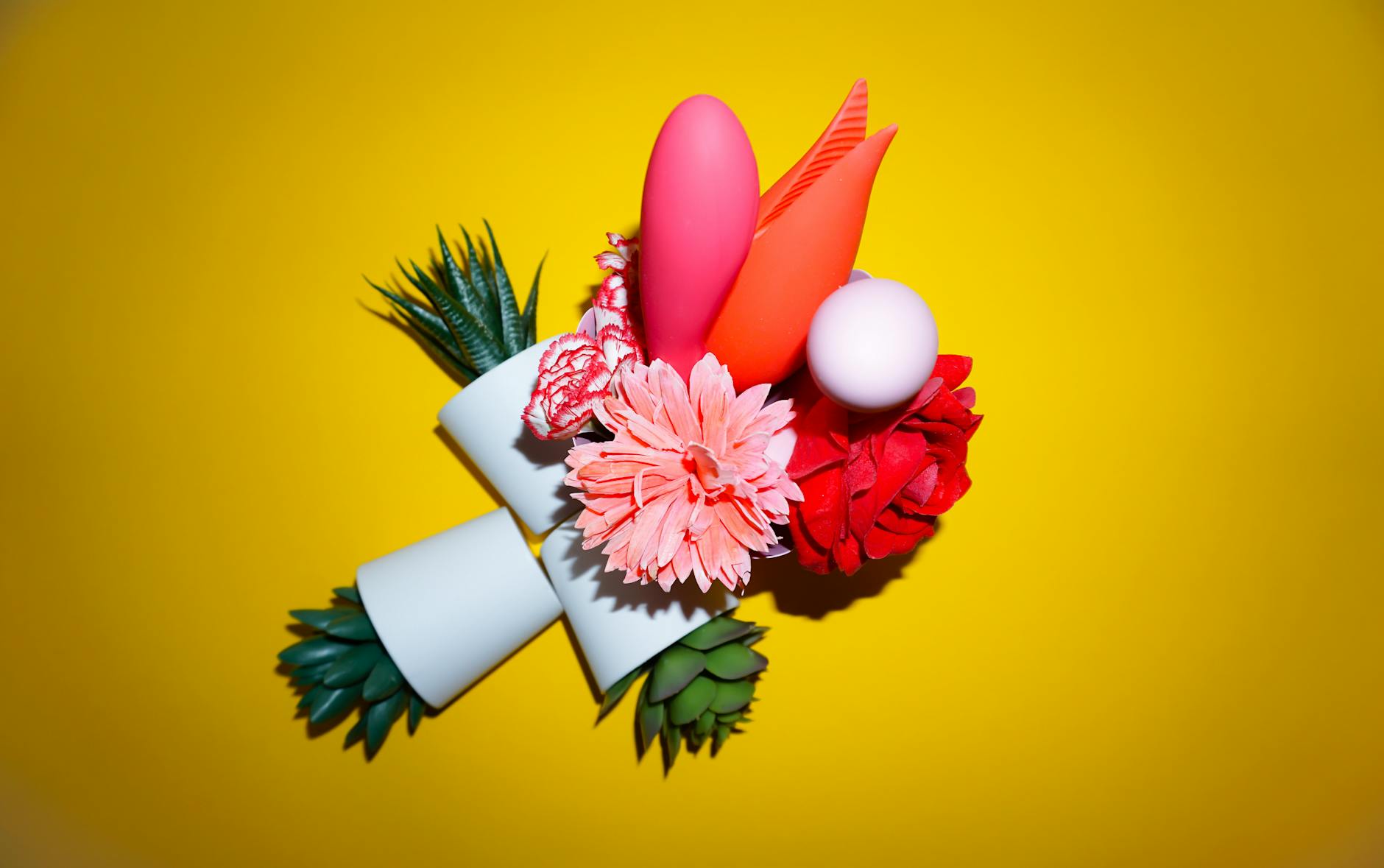
Here's the thing about pleasure after a relationship ends
It's not just physical. You're not just learning your body again. You're rewriting the story you tell yourself about what you deserve, what feels good, and who gets to be in charge of that answer. That matters more than any vibrator ever could.
But a good vibrator makes the conversation easier.
Why a partner transition changes what you're looking for
When you're returning to solo pleasure after a relationship ends, you're not shopping the way you might have before. You're not looking for novelty or variety or something to spice things up with someone else. You're looking for something that feels like it's yours. Something reliable. Something that won't remind you of what used to be.
This shifts everything about how to choose. You're not optimizing for performance in someone else's timeline. You're optimizing for trust, consistency, and ease. That's a completely different lens.
Most people don't think about this distinction. They either grab whatever was recommended or they freeze because they don't know where to start. Both responses are totally fair. You're essentially retraining your nervous system to associate pleasure with yourself, not a partner. That takes intention.
The three things that matter most right now
Pressure and speed over intensity. After a transition, starting gentle is smart not because you're "damaged" or "sensitive," but because you're rebuilding trust with your own body. The Lem's suction-based design works beautifully here because it applies consistent pressure without vibration shock. You can control the intensity with the pattern dial, which means you're in charge of the pace. That's not a small thing psychologically.
Consistency. One of the hardest parts of returning to solo pleasure is the mental load of "Am I doing this right?" A reliable vibrator that works the same way every time removes one variable. You don't have to troubleshoot. You can just feel.
Privacy and ownership. This is less about the vibrator itself and more about how it lives in your life. Think about where you'll store it, how you'll charge it, whether you want something discreet or something you can leave out. The psychology of ownership shifts after a relationship ends. You're not hiding it or justifying it. You own this outright.
How to pick the right lemon vibrator for you
Start with suction, not vibration
If you're brand new to vibrators or if you're rebuilding confidence, skip the traditional buzzing vibrator. Suction-based designs like the Lem work differently. Instead of vibrating against the clitoris, they create a gentle seal and pulse pressure in a way that feels less foreign and more like a natural buildup of sensation. This matters when you're learning your body solo because it's easier to stay present. You're not managing an external rhythm. You're discovering your own.
Consider your nervousness as real data
If you feel anxious about using a vibrator, that's not a reason to skip it. It's information. It usually means you need something simple and controllable, not something with 47 settings and Bluetooth connectivity. The more options, the more you're managing. You want to be discovering, not problem-solving.
Think about the difference between solo and partnered use
Some people use a vibrator solo to rebuild confidence and then transition to partnered use later. If that's your trajectory, pick something that feels like it belongs to you, not something you might share. This keeps the emotional association clean. Other people use solo vibrators solo. That's equally valid and also affects your choice. Either way, be honest about your likely path. It changes what you're looking for.
Start with one pattern, not many
A lot of vibrators market themselves on having unlimited patterns or app control. For solo pleasure after a transition, that's actually more noise than help. You want something with a few genuinely distinct options. Three to five patterns is plenty. It's enough to explore without enough to overwhelm. The Lem's pattern system gives you exactly that range.
The psychological piece that nobody talks about
When you're choosing a vibrator after a partner transition, you're also making a statement to yourself about what you believe you deserve. A good vibrator says: I'm worth this time. I'm worth this care. I'm worth knowing my own body. That sounds abstract, but it's real. The choice you make matters as much as the vibrator itself.
Some people need something that feels luxe or premium as part of that permission. Some people need something affordable so they're not overthinking the investment. Some people need something that looks unapologetically like what it is. Some need something that could pass for a piece of design. None of these is better. They're all about what helps you believe the story you're telling yourself.
Practical setup matters more than specs
Once you've chosen a vibrator, the next layer is actually using it. Here's what I recommend:
Charge it fully before your first time. Nothing kills momentum like a dying battery midway. Full charge, clean toy, good lube, and 15 minutes without interruption. These are the conditions for your brain to relax into the experience.
Use water-based lube. Even if you're naturally lubricated, lube makes everything easier and less effortful. This is not about you being "broken." It's about removing friction so you can focus on sensation.
Start with the lowest pattern. Let your body find the intensity it wants. You're not trying to prove anything. You're discovering what feels good to you, not what feels good in theory.
Come back to it. One session teaches you almost nothing. Your body changes, your mood changes, what feels good changes. Three to five times is when you actually start learning your own landscape.
When to reach for a professional
If you find yourself unable to relax or unable to experience sensation even after several tries, it might be worth checking in with a therapist who specializes in sexuality or relationship transitions. Sometimes physical blocks have psychological roots. Sometimes they have physiological ones. Either way, you don't have to figure it out alone.
What to actually buy
If you're new to lemon vibrators and returning to pleasure after a transition, start with something straightforward. The Lem is built exactly for this use case. It's reliable, simple, and elegant in a way that makes you feel cared for rather than panicked. No app, no 30 settings, just consistent pressure and a few truly distinct patterns that you can dial in over time.
You don't need to spend a fortune. You don't need the most advanced toy on the market. You need something that meets you exactly where you are and makes it easier to trust yourself again. That's it.
FAQ
Is it normal to feel nervous about using a vibrator after a breakup?
Completely. You're redefining what pleasure means when it's just for you. That's a big psychological shift, not a small one. Some nervousness is your system protecting you. Some is just the unfamiliarity. Both are normal. Starting slow and giving yourself permission to take breaks is smart. You're not running a race.
Can I use a lemon vibrator if I don't know what patterns I like yet?
Absolutely. That's actually the whole point of spending a few sessions exploring. Start at pattern one and notice what happens. No judgment. Then try pattern two. By your third or fourth session, you'll have a much clearer sense of what your body actually responds to. This is discovery, not performance.
Should I tell a future partner that I use a vibrator solo?
That depends on the person and the relationship. Some people want that transparency early. Some want to rebuild solo confidence first and then navigate that conversation later. There's no universally right answer. What matters is that you're not ashamed of it either way. You're taking care of yourself. That's good.
What if a vibrator doesn't feel good the first time?
Try it again. Once doesn't tell you much. Your body needs time to adjust, your brain needs time to relax into it, and you might just not be in the right headspace the first time. Give yourself three to five tries with no pressure. If it still doesn't feel good after that, a different style or intensity might work better. That's data, not failure.
Is a suction vibrator better than a traditional vibrator for returning to pleasure?
It depends on your nervous system. For most people returning to solo pleasure after a transition, suction feels less jarring and easier to control. It also gives you something to do mentally besides just receive sensation. You're not passive. You're participating in the rhythm. That can make the experience feel less vulnerable and more active. But if you've used traditional vibrators before and loved them, that's equally valid.
How long does it take to feel comfortable using a vibrator solo?
Varies. Some people feel comfortable by session two. Some take longer. There's no timeline. What matters is that you're not forcing it. If you're feeling pressured or like you're supposed to be enjoying this, pause. Come back when it feels like something you want to explore, not something you're supposed to do. Pleasure after a transition is about rebuilding trust with yourself. That doesn't have a deadline.
You're just rebuilding a relationship with yourself
Choosing a vibrator after a partner transition is really just an extension of a bigger conversation. You're deciding that your pleasure matters. You're deciding that you're worth the time and intention. You're deciding that solo sensation is valid and valuable. The actual vibrator is just the tool. The real work is the permission you're giving yourself. That's what matters most.