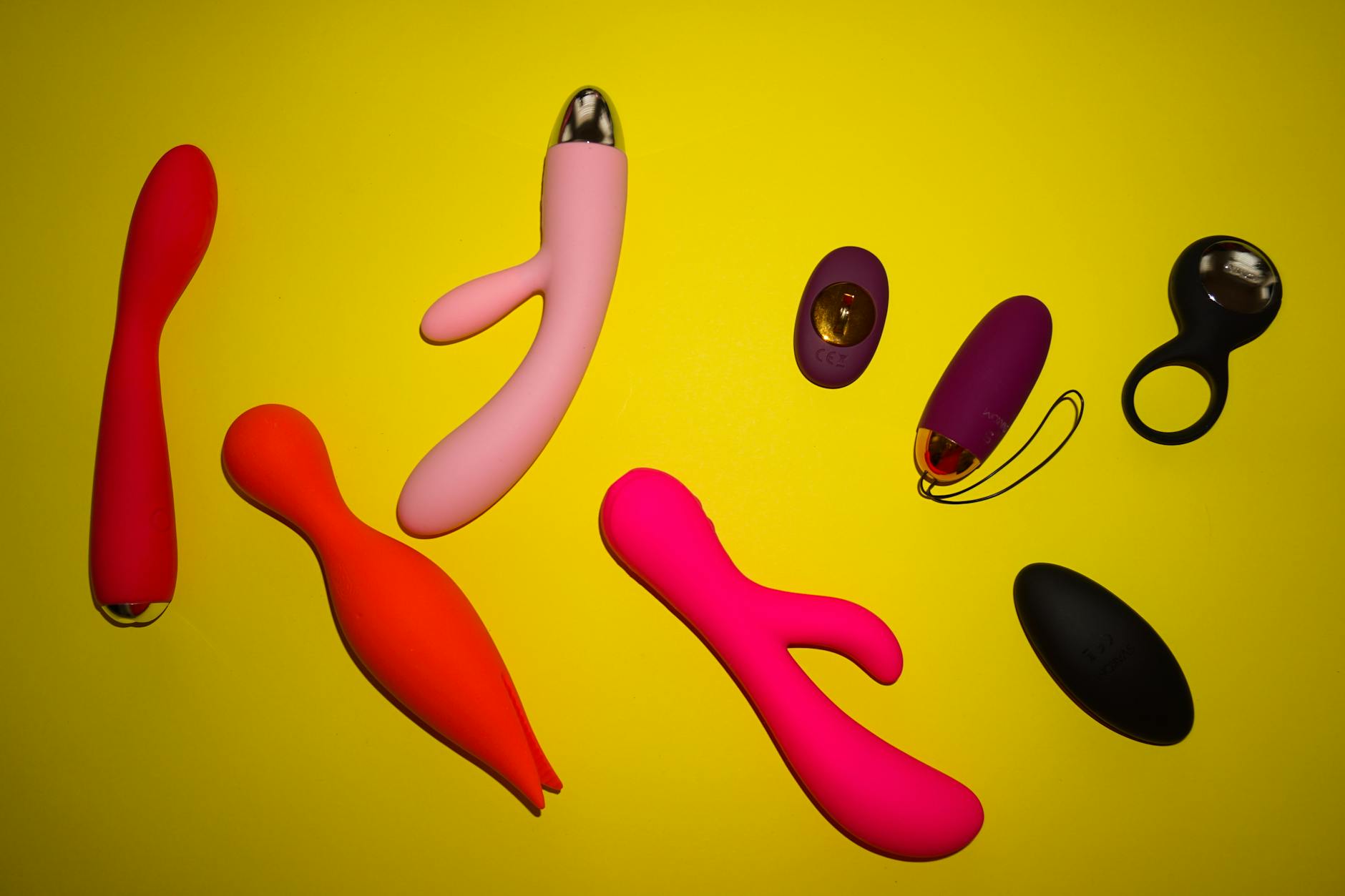
How Lemon Vibrators Help With Clitoral Numbness From Cycling
If regular cycling has dulled your sensation down there, you're not imagining it. Here's what's happening physiologically and how to wake things back up.
Cycling is incredible for your body. But if you spend 10+ hours a week on a bike, there's a real possibility you've lost some sensation in your clitoris. This isn't permanent, it isn't a sign of nerve damage, and it doesn't mean you're broken. It's temporary pressure-related numbness that happens to a lot of people who ride. And it's completely reversible with the right approach.
Let me explain what's happening, why it matters for pleasure, and how clitoral vibrators like The Lem can help you rebuild sensitivity faster than waiting it out alone.
Your clitoris is densely packed with nerve endings. When you sit on a bike saddle for extended periods, the weight of your body presses against the perineal area (the tissue between your genitals and anus). This sustained pressure restricts blood flow to the clitoral tissues and can temporarily compress the nerves that carry sensation.
This is called pelvic nerve compression or, in clinical terms, numb bum syndrome when it affects the whole region. The clitoris is particularly sensitive to this because of its rich nerve supply and small surface area. Add in a saddle that's too narrow, positioned incorrectly, or just not shaped for your body, and the effect intensifies.
The numbness typically affects the external clitoris and labia, making arousal slower, orgasm harder to reach, and touch feel more distant. Some cyclists describe it as a dull, numb sensation. Others say sensitivity just vanishes entirely for hours or even days after a long ride.
Most people regain full sensation within 24-72 hours of stopping cycling. But if you're cycling regularly (which most serious cyclists are), the numbness can persist in a low-level hum because you're re-compressing the area before it fully recovers.
This is why casual cyclists often notice their sensation snaps back quickly, but people training for events or doing regular multi-hour rides can feel numb for weeks, even between rides. You're essentially in a cycle of compression and partial recovery.
Here's the counterintuitive part: using a clitoral vibrator during or shortly after numbness doesn't make it worse. In fact, it accelerates recovery through a few mechanisms.
Increased blood flow. Stimulation brings blood back to the area, which helps flush out the compression and nourish the nerve endings. The rhythmic stimulation of a lemon vibrator creates a gentle, sustained increase in local blood circulation without the harsh pressure of cycling.
Nerve awakening through non-painful stimulation. When nerves are compressed, they go quiet. Gentle vibration (as opposed to the blunt pressure of a saddle) can wake them up and re-establish the neural pathways for sensation without triggering pain or further irritation. Suction-based vibrators like The Lem work particularly well here because they stimulate through gentle suction rather than direct pressure, which is the opposite of what caused the numbness in the first place.
Rebuilding arousal pathways. Even after sensation returns, your brain might have gotten used to not feeling much down there. Using a vibrator helps you reestablish the connection between stimulation and arousal. You're retraining your nervous system to recognize and respond to pleasure signals.
1. Take a break from cycling for 48-72 hours. This is the single most important step. You can't vibrate your way back to sensation if you're re-compressing the area every time you ride. Even light rides count. Give the tissue time to actually recover.
2. Adjust your setup before you start riding again. This prevents the next round of numbness. A wider saddle with more padding, one shaped for your anatomy specifically, and proper bike fit (seat height, fore-aft positioning) makes a huge difference. Many cyclists don't realize their numbness is preventable with gear changes.
3. Use a vibrator during the recovery window. Start on a low setting (Pattern 1-2 if you're using The Lem) about 24 hours after your last ride, when the initial soreness has passed. Spend 5-10 minutes exploring what you can feel. You might notice patches of numbness surrounded by normal sensation. That's okay.
4. Gradually increase intensity. Don't jump to high settings. Over a week, work your way up as sensation returns. This gives your nerves a chance to wake up gradually rather than jolting them with intense stimulation too soon.
5. Make this part of your routine. If you're a regular cyclist, adding 10 minutes with a clitoral vibrator 2-3 times a week during your recovery window (or even just on your off days) helps prevent numbness from building up in the first place.
Most vibrators work through rapid, sustained vibration against the tissue. That's fine for a lot of situations, but when you're dealing with compression-related numbness, the stimulation pattern matters.
The Lem uses a suction-based design that gently pulls the tissue upward and stimulates the clitoral nerves through a different mechanism than traditional vibrators. Instead of pressing down (which mimics the problem), it creates a gentle, rhythmic suction that increases blood flow and wakes up sensation without the pressure component. The sensation is fundamentally different from vibration alone, which is exactly what you want when you're trying to rebuild neural pathways that have gone quiet from compression.
Don't use a vibrator right after a long ride when everything is sore and swollen. Wait at least 12 hours, preferably 24. Stimulation on acutely swollen tissue can feel painful rather than pleasurable and can actually delay recovery.
Don't keep cycling hard while trying to recover from numbness. This defeats the purpose. Your recovery window works only if you're actually resting the area.
Don't assume you need high intensity. Lower settings do more for nerve recovery than high ones. The goal is stimulation that wakes up sensation, not overstimulation that masks numbness temporarily and then leaves you numb again.
If numbness persists for more than 2 weeks after you've stopped cycling, adjusted your saddle, and given the area proper recovery time, check in with a pelvic health physical therapist or gynecologist. Persistent nerve compression can occasionally need professional attention, though this is rare.
If you experience pain along with numbness, or if you develop pain that didn't exist before, that's also worth evaluating. Most cycling-related numbness is benign, but persistent pain patterns suggest something else is going on.
Cycling doesn't have to mean sacrificing sensation or pleasure. Thousands of athletes handle this with the right saddle, proper positioning, and a recovery routine that includes both time off the bike and strategic stimulation during recovery windows.
Your clitoris is resilient. It just needs the right conditions to bounce back. That's where tools like clitoral vibrators come in. They're not a workaround for a bad saddle or poor bike fit. They're a recovery aid that helps accelerate what would happen naturally anyway, just faster and with better awareness of your own sensation along the way.
Cycling creates sustained, focused pressure in the perineal area in a way that running, swimming, or weight training don't. The saddle compresses tissue for hours at a time without relief. Other sports involve movement and pressure distribution that doesn't concentrate in the same spot. That's why cyclists report numbness far more often than athletes in other sports.
You don't need to stop cycling entirely, but you should reduce frequency or duration during your recovery window. If you're cycling 5 days a week, dial it back to 2-3 days while you're recovering. Using a vibrator helps, but it can't outpace re-compression from frequent cycling. Think of it as recovery support, not a substitute for rest.
Both matter. A great saddle on a poorly-fitted bike can still cause numbness because your weight distribution is off. Conversely, perfect fit with a saddle that's not right for your anatomy won't help. Most bike shops can do a proper fit assessment. If you're numbness-prone, it's worth the investment. Alternatively, try a saddle specifically designed for vulva-owners, which tend to have wider, softer designs that reduce pressure concentration.
Partially. The mechanisms that help (blood flow, nerve stimulation, pathway rebuilding) work for other types of numbness too, like numbness from tight clothing, prolonged sitting in general, or hormonal shifts. But if your numbness has a different root cause (medication side effects, neurological issues, hormonal imbalances), you might see slower progress or need additional interventions. A vibrator is a useful tool in many situations, but it's not a cure for every kind of numbness.
Start with 2-3 times per week on your off days from cycling. Each session should be 5-15 minutes, starting low and working your way up as sensation returns. Once you've regained full sensation, you can use it as often as you want for pleasure. During active recovery, the goal is stimulation that awakens sensation without irritating already-stressed tissue.
Yes, with caveats. Partner touch can increase blood flow and rebuild arousal pathways. But a vibrator offers more consistent, controlled stimulation, and it doesn't require communication or timing coordination when you're trying to figure out what you can actually feel. Vibrators are more reliable for the specific goal of nerve recovery. That said, partner touch plus a vibrator is a great combination once you're past the acute recovery phase.
Clitoral numbness from cycling is real, it's common among athletes, and it's fixable. The combination of reduced cycling frequency, proper bike setup, and strategic use of clitoral vibrators like The Lem accelerates recovery significantly. You don't have to choose between being an athlete and having good sensation. You just need to understand what's happening and approach recovery methodically.
If you're experiencing numbness now, start with a 48-72 hour break from cycling, swap to a wider or better-fitting saddle, and introduce a low-intensity vibrator into your recovery routine. Most people see dramatic improvement within 1-2 weeks. Your sensation will come back. You just need to give it the right conditions and the right tools.
Have questions about your specific situation? We're here to help. Reach out and let's talk through what's going on.