Let's talk about the postpartum sex conversation nobody has
Postpartum recovery isn't just about bleeding stopping or stitches healing. It's about your nervous system learning to feel safe in your body again. That takes time. Most conversations about postpartum sex jump straight to "when can we start having penetrative sex again," which is like asking when you can run a marathon before you've learned to walk.
Here's what actually matters: reconnecting with pleasure on your own terms, at your own pace, using tools that respect what your body is right now.
What actually changes in your body after birth
If you had vaginal delivery, the tissues stretched. If you had a tear or episiotomy, scar tissue is still remodeling for months. If you had a C-section, you're healing from abdominal surgery. Either way, your pelvic floor is weaker, your ligaments are lax from pregnancy hormones, and your nervous system is in a state of hypervigilance from new-parent sleep deprivation. That's not drama. That's biology.
What changes hormonally: if you're breastfeeding, prolactin is high, which suppresses estrogen. Low estrogen means vaginal tissue is thinner and drier. If you're not breastfeeding, estrogen is still rebuilding. Neither situation feels great for the first month or two.
What doesn't change: your clitoris. The nerves are still there. The capacity for pleasure is still there. The pathway from arousal to orgasm is still there.
Most postpartum people report that clitoral pleasure returns faster than penetrative comfort. That's not a mistake. That's where to start.
The timeline nobody explains clearly
Weeks 1-6: Don't do anything. Not because you're broken, but because you're actively healing. Pain is information. Listen to it.
Weeks 6-12: Medical clearance doesn't mean you're ready. It means you're not actively bleeding or infected. Big difference. This is when solo exploration can begin, but slowly. Your pelvic floor is still swollen. Your scar tissue is still reorganizing.
Months 3-6: This is when many people start to feel like themselves again. Hormones are stabilizing. Sleep is still terrible, but the acute healing phase is done. Pleasure starts to feel possible, not theoretical.
Months 6+: Most people find their rhythm by six months to a year. Some take longer. Some find their pleasure is actually better than before.
The variation matters. If you're six weeks postpartum and someone tells you sex should feel normal again by week eight, that's not their timeline for your body. It's a template from someone else's recovery.
Why lemon vibrators work better for postpartum bodies
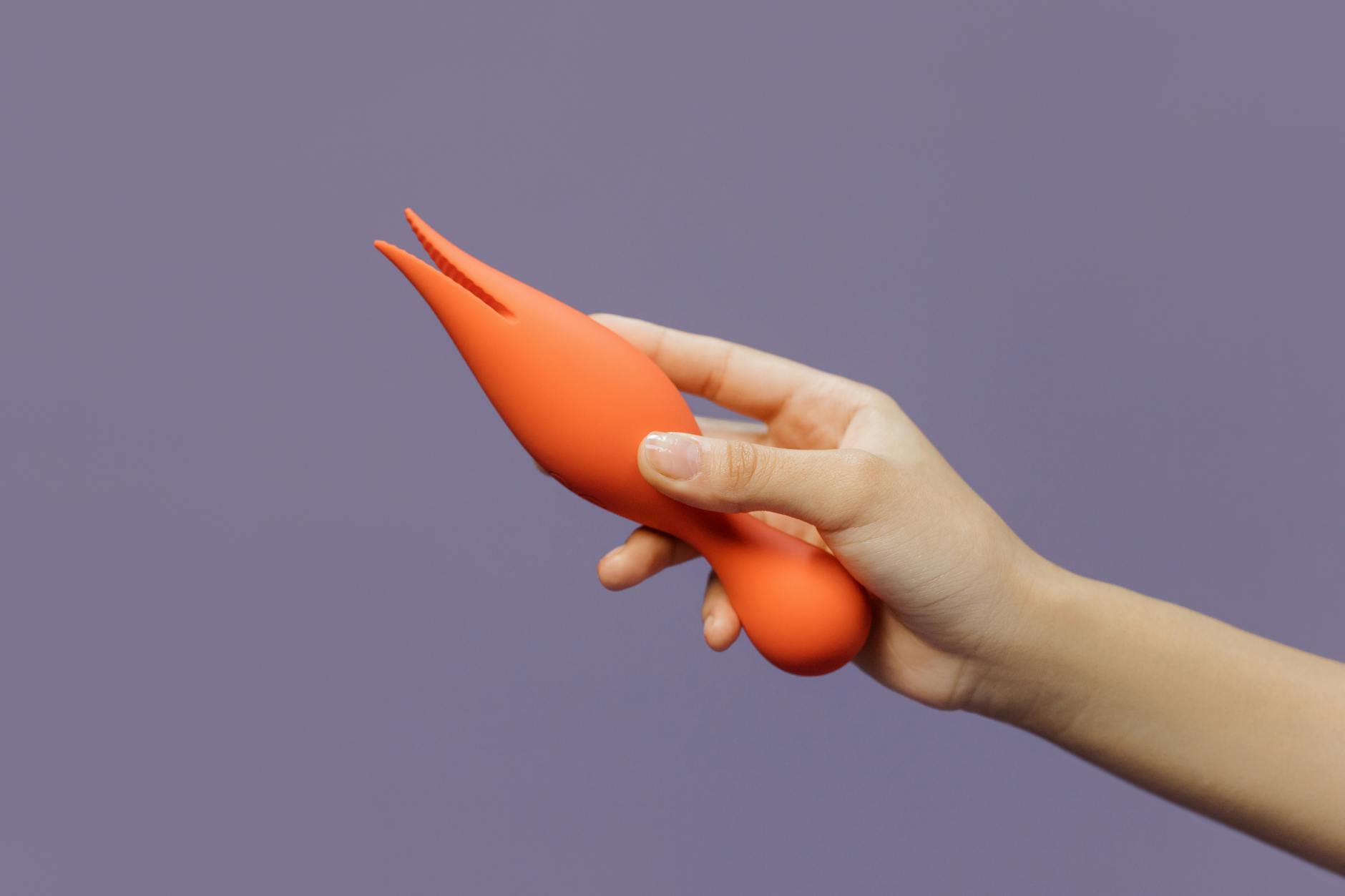
Lemon clitoral vibrators use suction and pulse, not direct vibration. That's specifically useful for postpartum recovery because your tissues are tender and your nerve endings are still hypersensitive. The suction stimulates without harsh friction. You can start at the gentlest setting and work up on your own schedule.
Compare that to a traditional vibrator: it hammers the same spot. Postpartum, that can feel overwhelming or painful. A lemon sucker lets you control intensity from pattern one (barely there) through deeper stimulation. You're not forced into a one-speed experience.
Second: lemon vibrators are quiet. If you're sharing a home with a newborn and a partner, silence matters. You can reconnect with your own body without broadcasting it.
Third: they're small. Postpartum bodies need gentleness, which usually means external stimulation only. A lemon clitoral vibrator is designed for exactly that.
The actually useful first steps
Don't jump straight to orgasm-chasing. That's the old script. The new one looks like this.
Week one: Just touch. No goal. No toys. Just you, your hand, a mirror if you want it, and five minutes without performing for anyone. Notice what feels good. Notice what doesn't. This is called sensate focus, and it's the foundation for everything that comes after.
Week two or three: Add warmth. A hot shower, a heating pad on your belly, or even just a warm bath helps your nervous system feel safer. When your nervous system settles, sensation gets clearer. Then try the same exploration.
Week four or five: Introduce lube. Postpartum vaginal tissue is drier. Water-based lube helps you feel sensation more clearly because you're not working against friction. It also reduces any pain if you have scar tissue. Coconut oil works if you're not sensitive, but water-based is safer because it won't degrade a silicone toy.
Week six or seven (or later): Introduce a tool. Start with the gentlest lemon vibrator setting. You're not trying to come. You're trying to learn what pleasure feels like in your postpartum body. That's different from before, and that's okay.
What to do if pleasure feels completely foreign
Postpartum depression and postpartum anxiety both kill desire. If you're not interested in any of this, that's not laziness. That's your nervous system telling you it doesn't feel safe. That's worth addressing with a therapist or your GP, not by forcing yourself into pleasure. Pushing through that will backfire.
Same thing if touch feels invasive. If your partner touching you makes your skin crawl, that's not relationship failure. That's postpartum touch aversion, which is common and fixable. It usually means your nervous system has been overstimulated by a baby who's on your body 24/7. You need permission to not be touched, and you need your partner to know that's not about them.
If you're in a relationship, the conversation with your partner isn't "when can we have sex again." It's "I'm rebuilding my relationship with my own body first." That honesty saves months of tension and miscommunication.
The partner conversation that actually works
If you want to rebuild pleasure with a partner, separate the two projects: first, reconnect with yourself. Second, rebuild with them.
Doing them at the same time creates pressure that kills arousal. When you've spent time alone relearning what your body likes, you can then bring that knowledge to partnered sex. You're not starting from zero. You're starting from "here's what I discovered about what works for me now."
That conversation sounds like: "I've been exploring on my own with this lemon vibrator. I realized I like slower stimulation at first, then I build to faster. When you and I try things again, I'd like you to match that pace with me."
That's information, not rejection. Partners usually receive it as relief. They've been anxious too.
When sensation is still stuck at month four
If you're four or more months postpartum and sensation still feels numb or painful, talk to a pelvic floor physical therapist. Not your GP. They're better equipped to assess what's happening with your tissues and nerves. Sometimes scar tissue needs massage. Sometimes your pelvic floor is too tight and needs relaxation training, not strengthening. Sometimes there's nerve involvement that needs specific care.
This is not failure. This is normal troubleshooting. Many postpartum people need PT, and it changes everything.
If you're past six months and pleasure still hasn't returned, that's also worth investigating. Breastfeeding can suppress estrogen long-term. Postpartum hormones can shift differently than expected. There are solutions. Don't just accept numbness as the new normal.
The most important thing to know
Your postpartum body isn't broken. It's recovering. Recovery has a timeline, and your timeline isn't someone else's timeline. Using tools like lemon clitoral vibrators isn't a shortcut. It's a framework for learning what your body likes right now, in this chapter. That knowledge is the foundation for pleasure that works for you, whether you're solo or with a partner.
Pleasure after birth is worth rebuilding. Not as a return to "normal." As a discovery of what feels good in your actual postpartum body, which is stronger and more capable than you might think.
People also ask
How long after birth can I use a lemon vibrator?
Medical clearance is typically six weeks, but that doesn't mean you're ready. Listen to your body. If you're still bleeding heavily, in pain, or on pain medication, wait. If you're cleared by your doctor and you feel curious, you can start with external exploration around eight to ten weeks. But "can" doesn't mean "should." There's no prize for starting early. Your nervous system needs to feel safe first.
Will a lemon clitoral vibrator hurt my scar tissue?
Not if you go slowly and use lube. Scar tissue is sensitive, but it's also resilient. Starting at the lowest setting and using water-based lube helps you stimulate without harsh pressure. If sensation is painful rather than uncomfortable, stop and check in with a pelvic floor PT. Pain is information that something needs adjustment.
Can I use a lemon vibrator if I'm still bleeding postpartum?
No. Your uterus is healing, and anything that increases blood flow or creates pressure can slow that process. Wait until postpartum bleeding has stopped completely. That's usually four to six weeks, sometimes longer. Your body will tell you when it's ready.
What if my partner wants to have sex but I'm not ready?
That conversation is separate from your physical recovery. "I'm not ready" is complete. You don't owe explanation or a timeline. If your partner pushes, that's a relationship issue worth addressing with a counselor, not a sign you should force yourself. Pressure kills desire and can rewire your nervous system negatively around sex. Protect yourself.
Does breastfeeding affect pleasure with a lemon vibrator?
Yes, in two ways. First, prolactin suppresses estrogen, which means tissue is drier and sensation might feel different. That's why lube matters. Second, if you're touched out from a baby nursing all day, the idea of any stimulation might feel impossible. That's normal. Your nervous system is overstimulated. Rest first. Pleasure later.
How do I know if something is wrong versus just taking longer to heal?
Pain that's sharp or burning, numbness that doesn't improve by month four, or bleeding that returns after stopping are worth checking out with a GP or pelvic floor PT. Normal postpartum recovery includes soreness, sensitivity, and a slower timeline than before. Abnormal includes persistent pain, nerve dysfunction, or signs of infection. Trust your instinct. If something feels wrong, it usually is.
The rebuilding starts with you
Postpartum recovery is long. Pleasure recovery is part of that, and it deserves attention. Using tools like lemon vibrators, giving yourself time, and rejecting anyone else's timeline creates the conditions for real reconnection. Not just to sex. To yourself.
If you have questions about what's normal or what might help your specific situation, reach out to our team at /contact. We work with people navigating all kinds of pleasure recovery, and we're here to help without judgment.