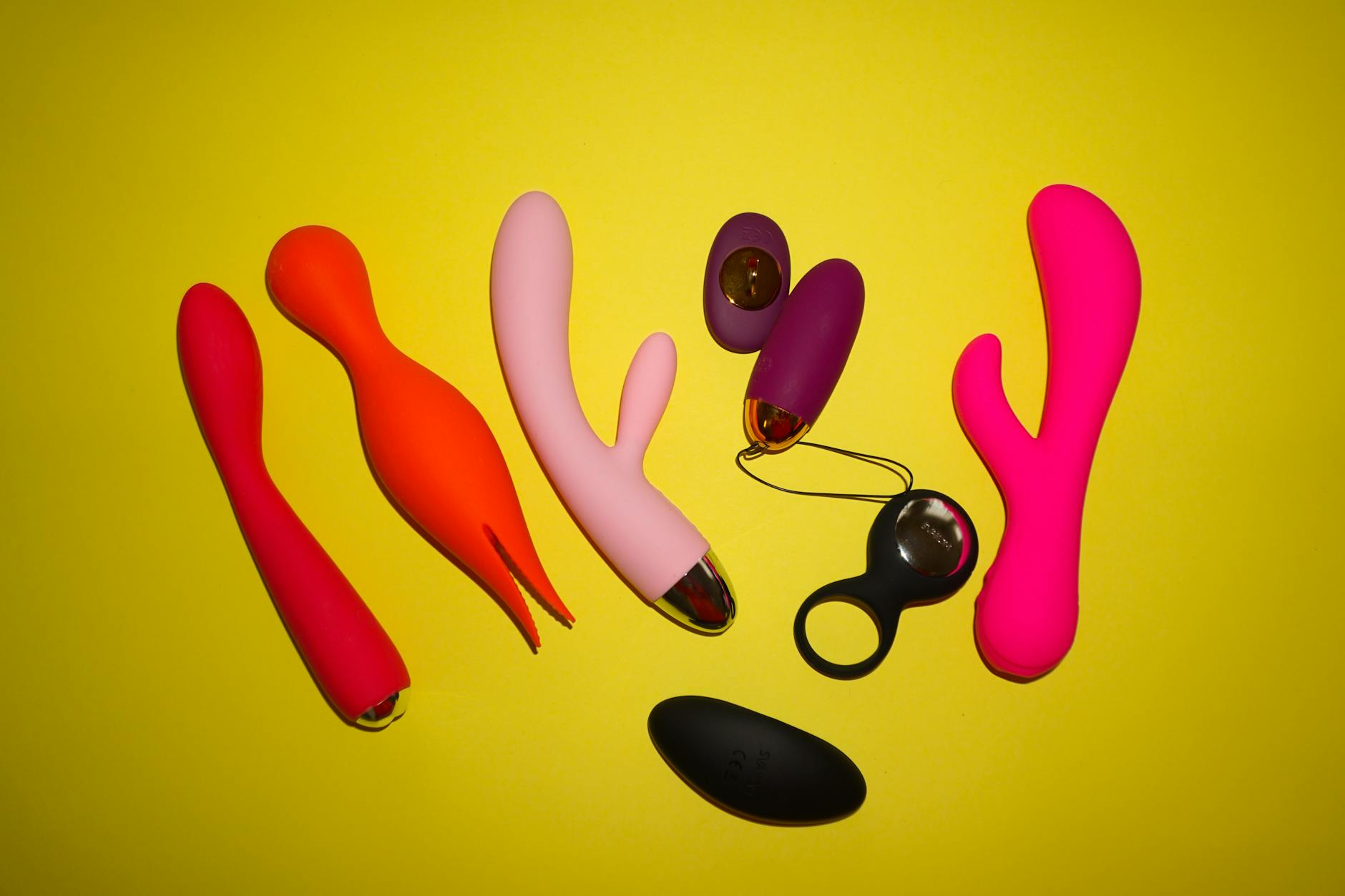
The thing nobody talks about
Introducing a vibrator into partnered sex feels like a negotiation you're not prepared to have. You worry it signals something. That your partner will feel replaced. That you're admitting their touch alone isn't enough.
Here's what research and decades of couples therapy actually shows: the opposite is true.
Why the conversation feels harder than it is
The silence around vibrators in partnerships is weirdly loud. Most of us grew up with the message that good sex happens between two bodies, period. A vibrator feels like cheating on that script.
But that script is wrong, and it's costing you pleasure that could be shared.
When I work with couples navigating this, the conversation usually breaks down in one predictable way. One partner says something like, "I want to try using a vibrator." The other hears, "You're not enough." That's the real problem to solve. Not whether a vibrator is "necessary," but what bringing one actually means.
It means: I want to explore my body with you. It means: I want to feel more. It means: this is about expansion, not replacement.
What lemon vibrators actually change
Lemon clitoral vibrators, specifically, shift the dynamic in ways that make the whole transition easier for partners.
Most traditional vibrators buzz. They're powerful, they're direct, they're designed to work alone. There's a reason they feel isolating when introduced to partnered sex. They take over the sensation landscape.
Lemon vibrators use suction and gentle pulsing instead of aggressive vibration. That's not a marketing difference. It's functionally different in a partnered context. The sensation is more diffuse. It doesn't monopolize attention. A partner can still touch you, still feel what's happening, still be part of the experience instead of watching from the sidelines.
I've had couples report that using a lemon vibrator together actually deepened their connection because it created something new to explore as a team.
The practical setup that removes friction
Four things that make the first time actually work.
Start with information, not surprise. Don't spring a vibrator on your partner mid-sex. Mention it in a neutral moment. "I've been thinking about trying this," works better than "I have something I want to use." The difference is whether you're inviting them into a decision or announcing one.
Clarify the role before you begin. Are you using it together? Are they using it on you? Are you both using your hands while the vibrator works? Most awkwardness comes from nobody being clear on logistics. Five minutes of "what would feel good" saves twenty minutes of confusion.
Start on a lower setting. If you've never used a lemon vibrator with a partner, resist the urge to go straight to pattern 4. Lower intensity is harder to misread. It gives you both time to adjust to the new sensation.
Keep talking. Not dirty talk necessarily. Just "How does this feel?" and "Want to try something different?" You're gathering data, not performing.
Why partners are often relieved
This might sound counterintuitive, but most partners feel relief when this conversation finally happens.
Here's why: if you're not orgasming reliably with a partner, there's tension around it. Sometimes it's spoken ("Why isn't this working?"). Often it's silent, which is worse. Both of you are probably stressed. Both of you might be trying harder, which makes it harder. A vibrator isn't a failure. It's a tool that removes the pressure from one person's hand or body to be the only thing that works.
It redistributes the responsibility. Suddenly you're collaborating on pleasure, not performing for each other.
The emotional piece is bigger than the physical one
I've worked with couples where a vibrator unlocked a conversation that needed to happen anyway. "I want to use a vibrator" opens the door to "I want more foreplay" or "I want you to ask what I need" or "I feel disconnected from you."
The vibrator is sometimes just the entry point. The real work is acknowledging that pleasure is negotiable. That wanting something different doesn't mean something is broken.
Partnerships thrive when both people feel seen. Using a vibrator together means someone said, "Here's what works for my body," and the other person said, "Okay, let's try it together." That's intimacy.
What to actually say
Instead of: "I think we need a vibrator because I'm not satisfied."
Try: "I've been curious about trying a clitoral vibrator. I think it might feel amazing, and I'd love to explore it with you."
Instead of: "This would make me come faster."
Try: "This might help me feel more, and I'd love for you to be part of that."
The difference is ownership versus blame. One is a request. The other is a criticism.
Common worries and what's actually true
"Won't they feel emasculated?" Not if you frame it as addition, not subtraction. Most partners worry less about the vibrator and more about whether you're still attracted to them. That's the reassurance that matters.
"What if they say no?" Then you have a different conversation: why not? Is it unfamiliarity? Insecurity? Religious belief? Logistics? You can't solve it if you don't know what it is.
"What if it changes everything?" It might. Not in a bad way. Using a lemon vibrator together sometimes makes both partners realize they want to communicate about pleasure more generally. That's not a problem. That's growth.
"What if they want to use it when I don't?" That's fine too. Partnership is respecting each other's preferences, not mirroring them exactly. You can want something your partner doesn't and still move forward.
Why lemon vibrators specifically ease the transition
If I had to pick one reason why couples tell me lemon vibrators make this easier: they feel gentler. Less clinical. Less like a replacement.
The suction sensation is unfamiliar, so it's something both of you are discovering together rather than you already knowing exactly what to expect. That shared discovery matters. It puts you on more equal footing.
Plus, lemon clitoral vibrators are aesthetically different from traditional wand vibrators. They don't look medical or intense. That visual difference sometimes makes partners feel less defensive about the whole thing.
The conversation after
Once you've done it, the real conversation is even simpler. "Did that feel good?" "Did you like being part of it?" "Want to do it again?"
Some couples use a vibrator once and never again. Some make it a regular part of partnered sex. Both are fine. The goal isn't to add a vibrator to your sex life forever. It's to remove the stigma from wanting what you want and asking for help getting there.
The honest thing
If your partner genuinely rejects the idea after you've explained it properly, that's information about compatibility and communication in your relationship. It's not information about whether a vibrator is "selfish" or "unnecessary." Your pleasure matters. A partner who won't even discuss your pleasure mattering is a different problem than whether to buy a lemon vibrator.
But most couples I work with find that this conversation, once opened, leads somewhere good. Usually it's just relief. Finally, you're both talking about what actually works.
FAQ
How do I bring up using a vibrator without making my partner feel insecure?
Timing and framing are everything. Don't do it during or right after sex when emotions are high. Choose a calm moment and lead with curiosity, not criticism. "I want to explore this with you" is about partnership, while "this isn't working" puts them on defense.
Will using a vibrator during partnered sex reduce my sensitivity over time?
No. Desensitization isn't how human pleasure works. Your body doesn't adapt to vibration the way some fear. If anything, using a vibrator mindfully and with a partner often increases your awareness of what you enjoy, which improves sensitivity.
Can both partners use a lemon vibrator at the same time?
Yes, and some couples love it. Lemon vibrators are smaller and quieter than many wand vibrators, which makes simultaneous use less awkward. You might also take turns, which gives you both breaks to focus on each other.
What if my partner wants to use the vibrator on me but I feel shy?
Shyness during partnered sex usually comes from feeling like you're being watched or judged. Ask your partner to focus on the sensation rather than watching your reaction. Sometimes closing your eyes or changing positions helps. This is normal and nothing to be embarrassed about.
How often should we use a vibrator together if we're just starting out?
There's no should. Use it when it feels right. Some couples find that once they've broken the ice, they naturally incorporate it into partnered sex without overthinking it. Others use it occasionally. Follow your own comfort and curiosity.
Is it normal if using a vibrator together makes me feel more connected to my partner?
Completely normal. Shared vulnerability and exploration create intimacy. When you're asking for what you want and your partner responds with openness, that's bonding. Many couples report feeling closer after introducing a vibrator because the conversation itself was connecting.
One last thing
The hardest part of bringing a lemon vibrator into your partnership isn't logistics or technique. It's saying out loud: I want this. Your body deserves to feel good, and your pleasure matters. If your partner loves you, they'll want that for you too.
Ready to have the conversation? Start with curiosity, not criticism. Your relationship will probably thank you.
If you're looking for resources on maintaining intimacy and connection in partnerships, consider reaching out through our contact page for personalized guidance.