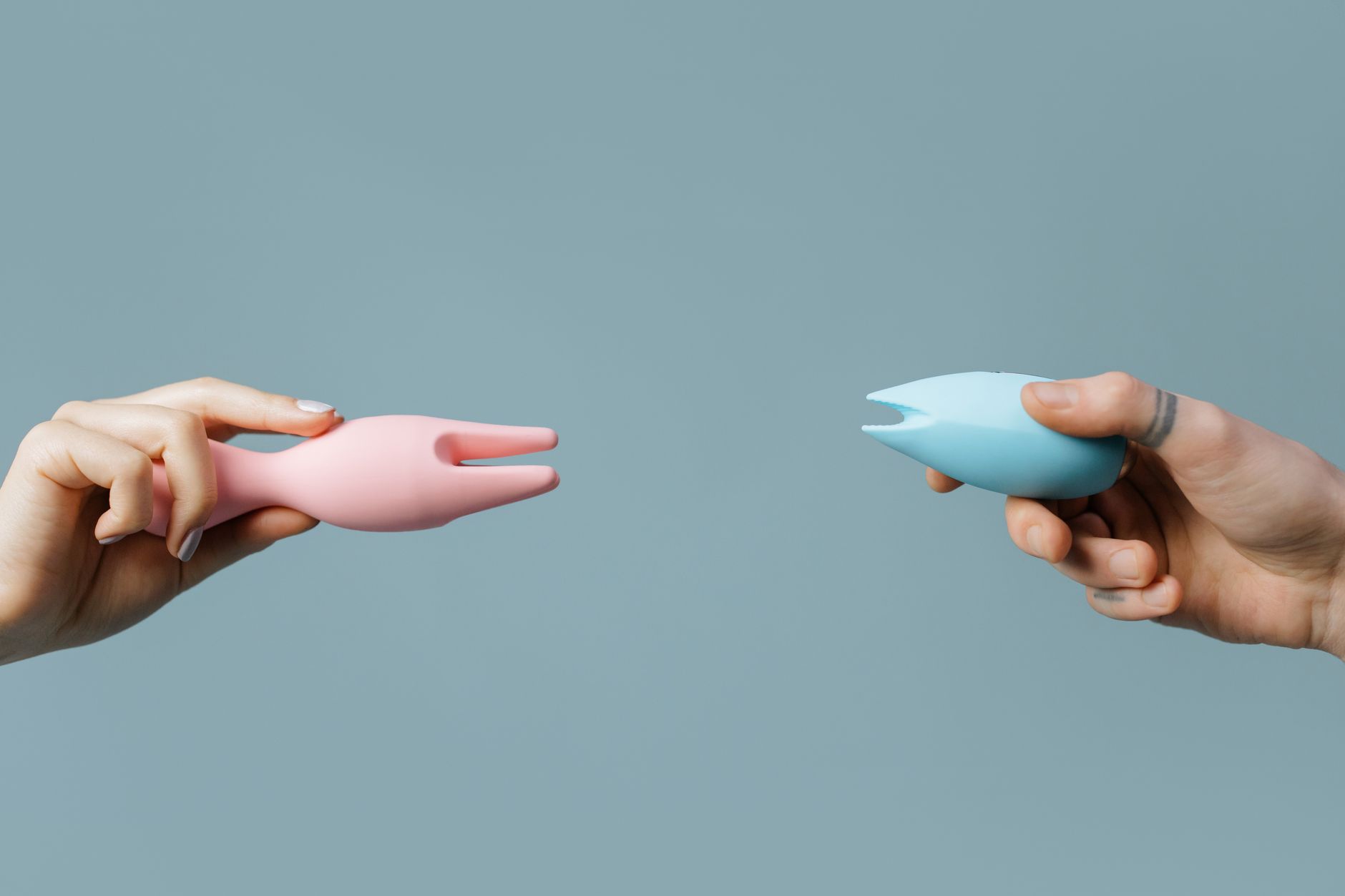
How Lemon Vibrators Help Restore Sensation After Long-Term Hormone Therapy
Years on hormone therapy rewires arousal and sensation. Here's what actually changes in your body, why your usual toys might feel different, and how lemon clitoral vibrators can help you reconnect.
If you've been on hormone therapy for years, your body has fundamentally changed how it responds to stimulation. That's not a small thing, and it's not something most people explain clearly. Doctors talk about hot flashes, bone density, mood. No one talks about sensation.
Here's what's real: sustained hormone therapy alters tissue composition, blood flow patterns, and the speed at which your nervous system fires. Your capacity for pleasure doesn't disappear. But the pathway to it shifts, sometimes dramatically.
When you've been on hormone therapy for years, your body has adapted to a new hormonal baseline. Estrogen and testosterone levels stabilize at a different set point than they were before treatment started. This isn't good or bad. It's a reset.
What this means for sensation: your clitoris, vulva, and internal tissue have adjusted to this new chemical environment. Blood flow patterns change. Nerve sensitivity recalibrates. The tissues become either more or less responsive depending on the specific hormones you're taking and how long you've been taking them.
Many people report that stimulation that once felt intense now feels muted. Others find the opposite. A few describe sensation as totally different but equally strong, just arriving on a different schedule.
This is where most people get stuck. You've been using the same toy for five years, and suddenly it's not working the way it used to.
Three reasons this happens.
Tissue sensitivity shifts. Long-term hormone therapy changes how your clitoral nerve endings respond to vibration frequency. A toy that hit perfectly at 5,000 Hz might feel uncomfortable now. Another frequency pattern might unlock sensation you haven't felt in years.
Arousal speed changes. Hormone therapy often extends the time it takes to build arousal. That quick 10-minute session? Now it takes 20. Your nervous system isn't broken. It's operating on a different timeline.
Lubrication patterns evolve. Even people whose therapy doesn't typically affect lubrication sometimes find their body's natural response shifts over years. Internal moisture, external wetness, how slippery things feel. All of it can change.
Lemon vibrators are engineered differently than traditional bullet vibrators. They use air-suction technology instead of simple vibration, which means they create a gentle seal and pulse pattern that feels less like friction and more like a rolling sensation.
Here's why that matters after long-term hormone therapy: lemon adult toys don't rely on direct stimulation intensity. Instead, they build sensation through sustained suction patterns that work with your body's current responsiveness rather than against it.
When tissue sensitivity has shifted from years of hormone therapy, direct vibration can feel overwhelming or numb depending on the day. Lemon suction toys distribute stimulation across a larger area, creating broader sensation that many people find easier to feel. The patterns are also more programmable, which means you can dial in frequencies that match your body's current baseline.
I've worked with clients who spent years frustrated with their pleasure response after starting hormone therapy. Most found relief once they switched from traditional vibrators to air-pulse technology. The sensation came back. Not the same way as before, but often stronger.
The first change is usually immediate. Because lemon clitoral vibrators create suction rather than direct buzz, they feel smoother. Less jarring. Some people describe it as more sustained, like the sensation builds instead of just hammering.
The second change is tempo flexibility. Once your body adjusts to the new sensation, you can experiment with patterns that wouldn't have worked before. Many people find that slower, broader patterns feel better after years on hormone therapy than they did pre-treatment. Your nervous system has adapted, and the toy can match that.
The third change is endurance. Because lemon vibrators don't rely on intense direct friction, you can use them longer without overstimulation or numbness. This matters because arousal rebuilding after hormone therapy often requires sustained, gentle stimulation rather than peaks and valleys.
Start at pattern level one or two. I know this sounds obvious, but after years on hormone therapy, your baseline for "feels strong" has shifted. What used to feel weak might feel perfect now. Spend at least a week exploring lower patterns before moving up.
Budget 20 to 30 minutes, minimum. Your arousal isn't slower because something's wrong. It's slower because hormone therapy changed your nervous system's timeline. Give your body that time without rushing.
Use water-based lubricant even if you're naturally lubricated. Hormone therapy sometimes makes natural lubrication feel different or thinner. Adding extra doesn't mean you're broken. It means you're working with your body's current state.
Stop if anything feels sharp or uncomfortable. If hormone therapy has thinned tissue, some stimulation patterns might feel raw. That's not a sign you need to push through it. That's a sign you need a different pattern or more lube or a pause.
Many people also find that they feel sensation better at certain times of the month or cycle than others, even on stable hormone therapy. Track what works. Your body is consistent. It's just operating on a different schedule than it used to.
If sensation disappeared completely and isn't coming back with new tools or techniques, that's worth a conversation. Some hormone therapies can suppress arousal more than others. A doctor familiar with sexual health can sometimes adjust dosage or switch formulations.
If you're experiencing pain during stimulation that feels sharp or burning, don't wait. Hormone therapy sometimes causes tissue changes that need topical treatment. A gynecologist or sexual health specialist can assess whether you need estrogen cream or another intervention.
If your arousal has been flatlined for months despite adjusting your approach, that's also worth mentioning. Depression, medication interactions, or other health factors might be layered on top of hormone therapy effects. A professional can help separate those threads.
Here's the part nobody tells you: your body didn't break. It adapted. After years on hormone therapy, your nervous system has recalibrated. Your tissue has adjusted. Your arousal pattern has shifted. That's not dysfunction. That's your body doing exactly what it's supposed to do.
Most of the frustration people feel isn't about the sensation itself. It's about the sensation being different. Once you stop expecting your body to respond the way it did pre-therapy, and start working with how it actually responds now, things shift fast.
Lemon clitoral vibrators help because they're designed for the body you have now, not a nostalgic version of your past body. They work with longer arousal timelines. They adapt to tissue that's changed. They let you feel sensation on your body's current terms.
Your pleasure is still there. It's just on a new path. The right tool helps you find it.
Not permanently in the sense of irreversible. Your nervous system adapts to hormone therapy, which changes how you feel sensation. But adaptation isn't permanent. If you change your therapy, your sensation can shift again. If you use tools designed for your body's current state (like lemon vibrators), sensation typically becomes stronger, not weaker. The key is working with your body now, not fighting what it used to do.
Lemon suction technology creates a different kind of stimulation than traditional vibration. Instead of direct friction, lemon toys pulse in a broader pattern that distributes sensation. After hormone therapy shifts your tissue sensitivity, this broader approach often feels more accessible. You can feel it more easily without the numbing or overwhelm that sometimes comes with direct vibration. They're also more programmable, so you can match patterns to your body's actual responsiveness.
Many people feel a difference in the first few sessions. Some take a few weeks to find the right patterns and pressure. If you've been using traditional vibrators for years, your nervous system has adapted to that specific input. Lemon vibrators feel completely different, so your body needs time to recognize the new sensation pathway. Patience matters more than pushing.
Yes, almost always. Hormone therapy changes lubrication patterns, and that shift is individual. Some people produce more natural lubrication, some less. Using water-based lube ensures the suction seal works properly and prevents any raw feeling. It's not a sign that something's wrong with you. It's just matching your tool to your body's current state.
Yes, hormone therapy can change how orgasms feel. They might feel quieter, more diffuse, sharper, or take longer to build. This is totally normal and not permanent. Using a lemon clitoral vibrator designed for your body's current sensitivity often helps orgasms feel stronger because you're matching stimulation to your nervous system's actual responsiveness. Many people report their most intense orgasms come after they've adjusted to sensation changes from hormone therapy.
Completely normal. Your body changed. Your pleasure response changed. Your nervous system adapted. That's not failure. That's biology. People sometimes think they should keep using the same tool forever, but your body isn't the same forever. Switching to a tool designed for your current state (like lemon vibrators or lemon sexual toys) is just good sense, not a loss.
If you've been on hormone therapy for years and your pleasure feels muted, numb, or just different, start by accepting that different is exactly what's supposed to happen. Your body adapted to a new baseline. That's not a problem to fix. That's a signal that you need tools designed for your body as it is now.
Lemon clitoral vibrators work because they match how your body actually feels sensation after hormone therapy. They're patient with your timeline. They're flexible with your patterns. They meet you where you are instead of asking you to feel like you used to feel.
Your pleasure is still in there. You just need the right tool to find it. If you want to talk through what might work best for your specific situation, we're here. Reach out at /contact and let's figure it out together.